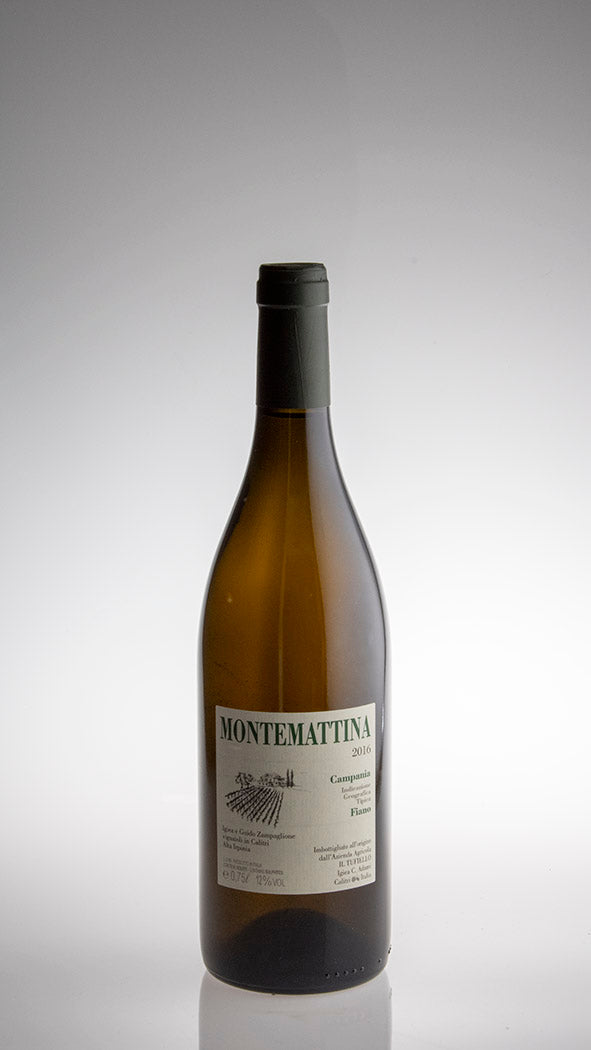
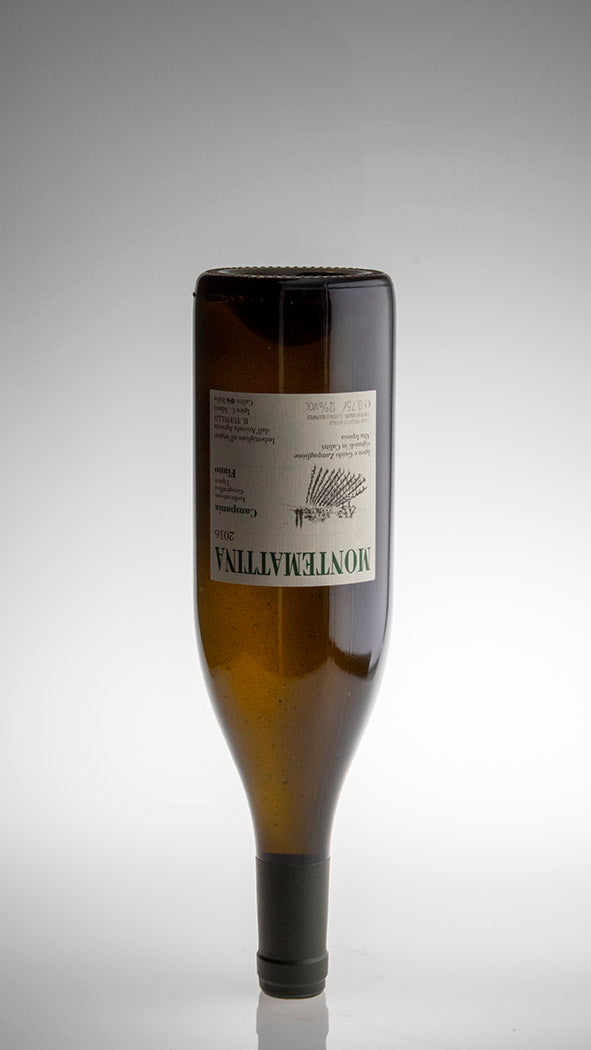
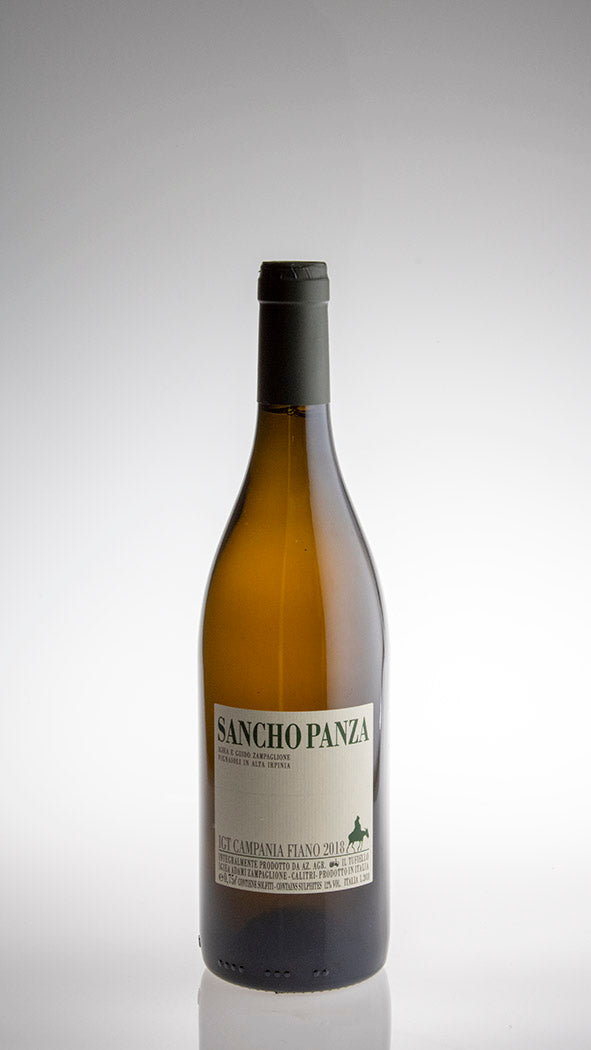
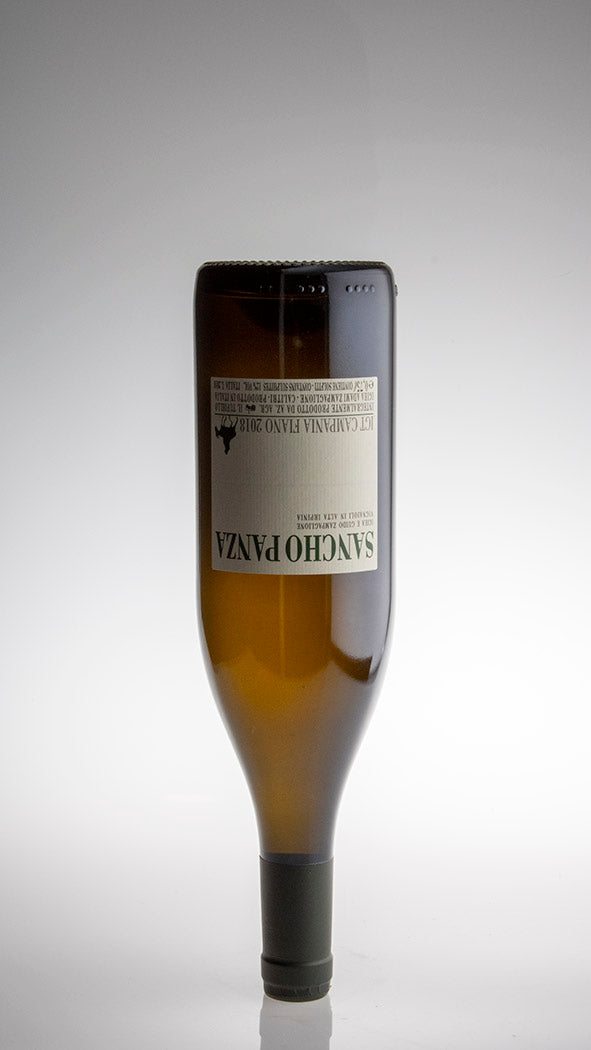
Fiano
Fiano – Campania's noble heritage with renewed life in natural wine and organic farming
Fiano is one of Southern Italy's oldest and most distinctive green grapes, with roots in Campania, where it was already described by the Romans as a “vitis apiana” – a vine so sweet that bees loved it. Its centre for centuries has been the area around Avellino, where it now forms the basis of the renowned DOCG Fiano di Avellino . The grape was almost forgotten in the 20th century, but has been rediscovered since the 1990s as a true terroir grape, uniting southern ripeness with cool precision.
According to Winegrapes: Revised Edition (University of Adelaide, 2020), there are currently around 2,000 hectares of Fiano globally – almost exclusively in the EU, and primarily in Italy, where Campania accounts for over 90% of plantings. Smaller areas are found in Puglia and Sicily, while a few plantings can be found in Spain and Malta. Fiano is genetically related to varieties such as Greco and Aglianico Bianco , but has its own aromatic profile and structure.
Fiano thrives best in volcanic and calcareous soils, where it can express both depth and freshness. It ripens late, produces low yields and has naturally thick skins – all characteristics that make it ideal in organic and biodynamic cultivation, where the balance between sugar and acidity is maintained without synthetic aids.
In the natural wine world, Fiano has made a significant breakthrough for its ability to spontaneously ferment, texture and aging potential. The wines range from fresh and mineral to complex, honey-scented versions with notes of nuts, beeswax and herbs. With longer skin contact, an elegant structure and light tannic nerve emerge, making the grape suitable for orange wines.
Today, Fiano stands as a symbol of Southern Italy's reborn wine tradition – a meeting between ancient heritage and modern sustainability, where nature, terroir and craftsmanship merge into a higher unity.