Malvasia
Malvasia – the Mediterranean's historical mosaic with new energy in natural wine and organics
Malvasia is one of Europe's oldest and most diverse grape genera, the name of which covers a whole family of closely related varieties. It originally originated in the Greek Monemvasia – a medieval port town in the Peloponnese – from where it spread via Venetian trade routes to Italy, Spain and Portugal. Already in the 13th century, Malvasia became synonymous with aromatic, sweet wines from the southern European ports, and the grape quickly became a regular part of monastic and commercial wine production throughout the Mediterranean.
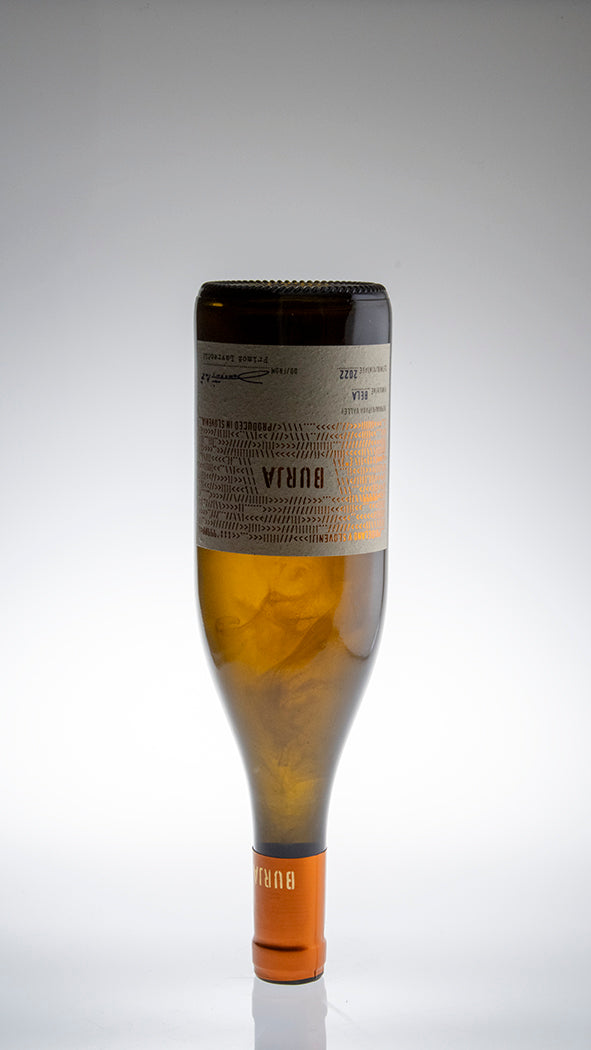
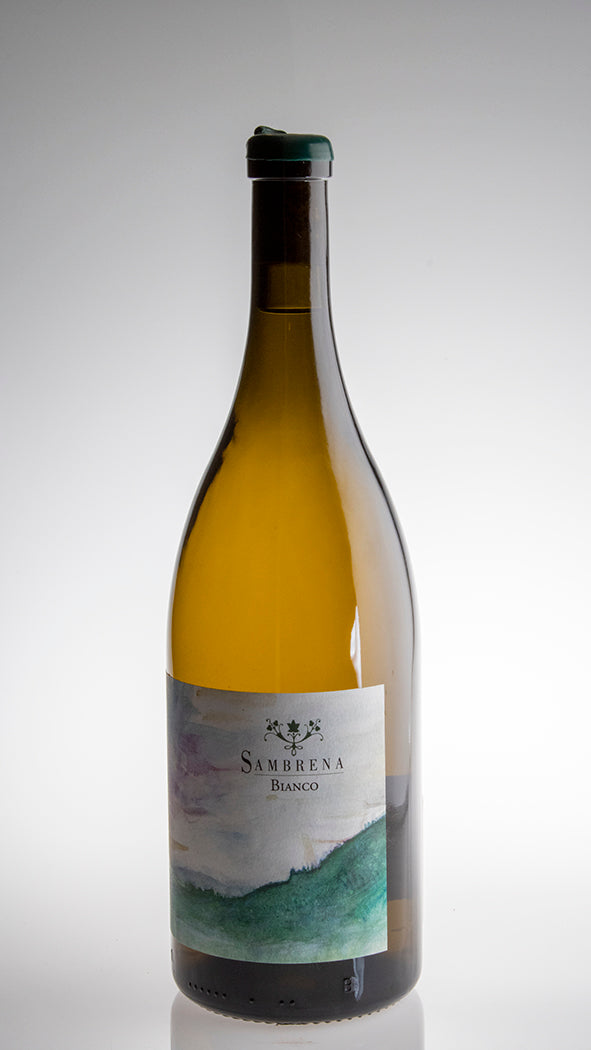
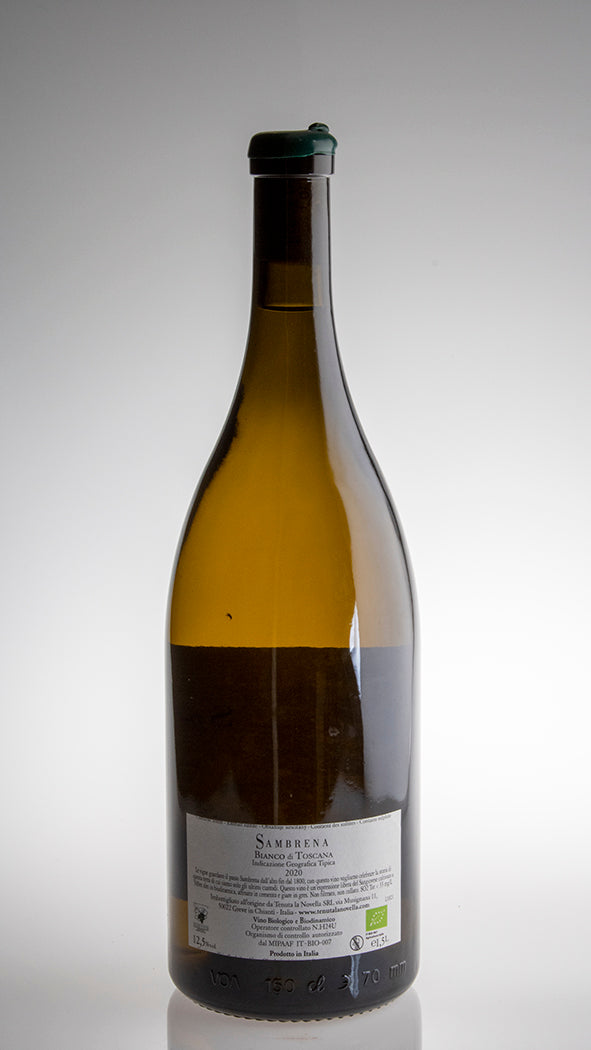
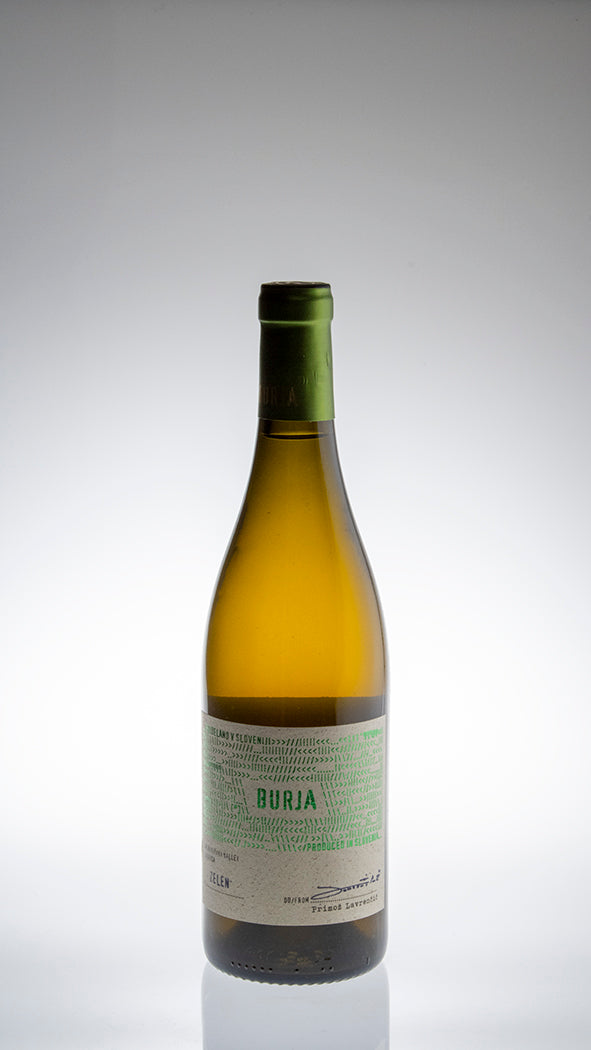
According to Winegrapes: Revised Edition (University of Adelaide, 2020), the Malvasia family currently covers around 15,000 hectares worldwide, the vast majority of which is found in the EU. Italy accounts for the majority with around 13,000 hectares, divided into several varieties: Malvasia Bianca di Candia (the most widely planted, especially in Lazio and Emilia-Romagna), Malvasia Istriana in Friuli and Istria, Malvasia di Lipari in the Aeolian Islands and Malvasia Bianca Lunga in Tuscany. Smaller plantings are found in Spain (Castilla y León, Canary Islands), Portugal (Madeira as Malvasia Cândida ) and Slovenia/Croatia under the name Malvazija Istarska .
The grape thrives best in warm, calcareous and coastal terroirs, where it retains its natural acidity and develops aromatic depth. Malvasia has traditionally been used for both dry and sweet wines, but in recent years it has enjoyed a significant renaissance in organic, biodynamic and natural wine production, where its thick skins and natural phenolic content make it ideal for orange wine.
Aromatically, Malvasia ranges from flowers, apricot and honey to spicy and slightly oxidative notes – depending on the variety and vinification. It is precisely this versatility that makes the grape a favorite among winemakers seeking terroir-true, unfiltered and natural expressions. As a whole, Malvasia represents the Mediterranean wine tradition in its most vibrant form: historic, complex and deeply rooted in the organic movement that brings the old varieties into a new era.