
Red


Read More

203 products
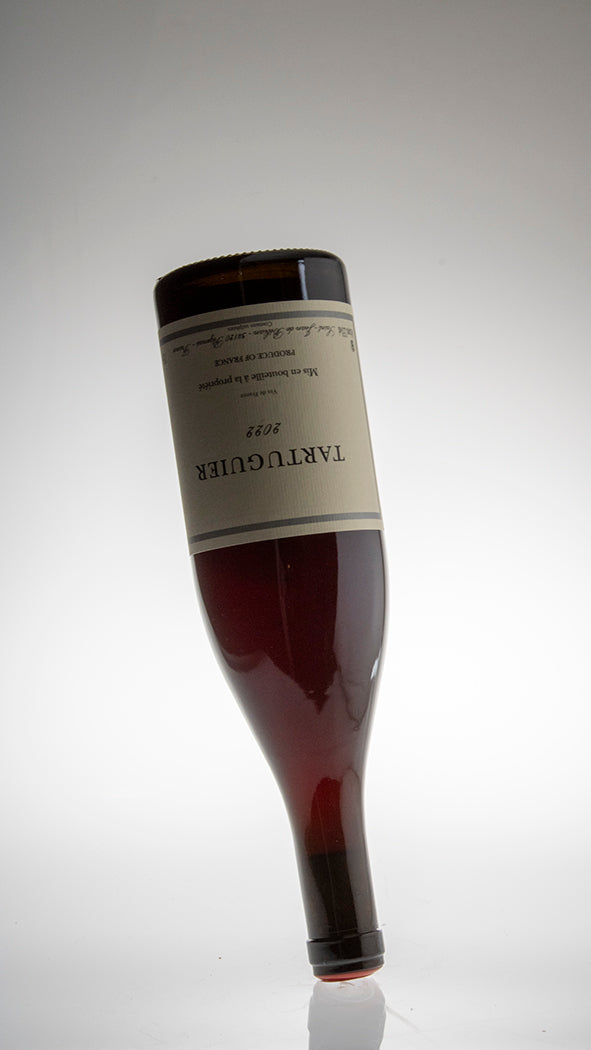
    NO ADDED SO2
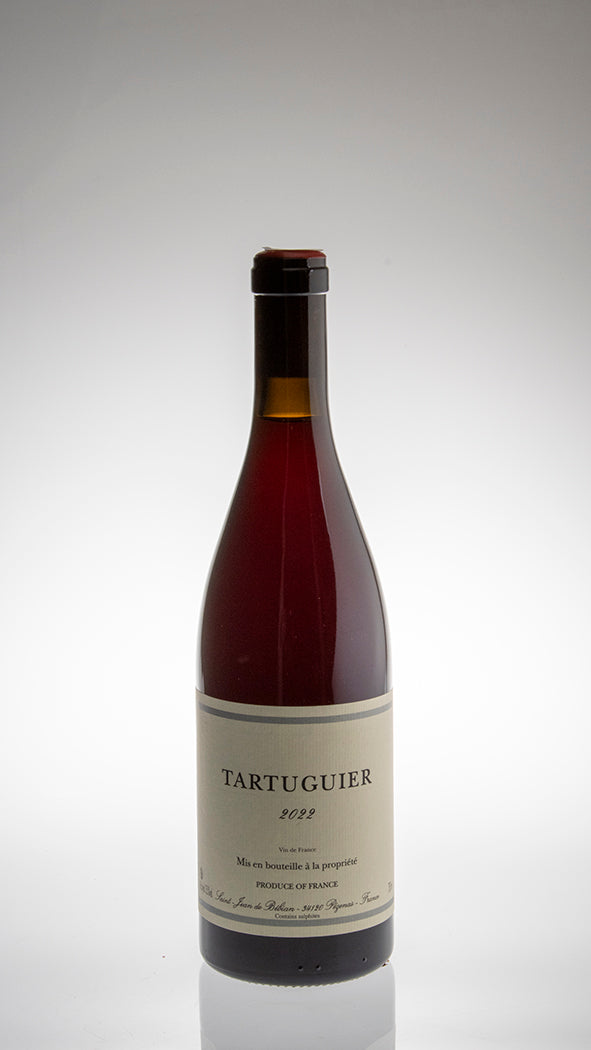
2022, Tartuguier
Domaine de Bebian
245,00 kr
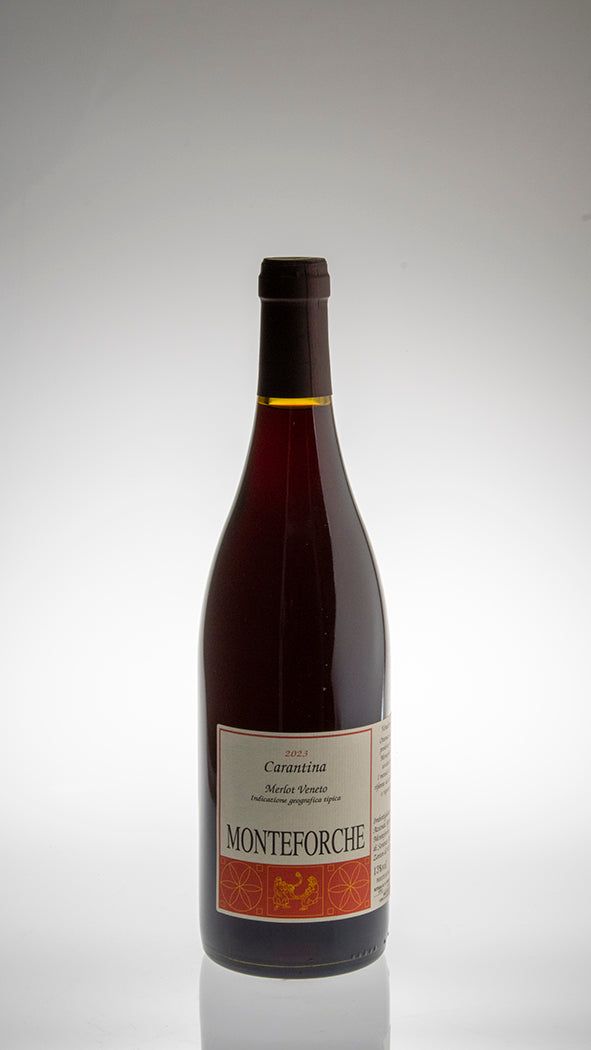
    NO ADDED SO2
2023, Carantina
Monteforche
175,00 kr
2023, La Grande Maille
Benoit Courault
285,00 kr
2016, Valtellina Sup. Sassella Rosse
Ar.Pe.Pe
695,00 kr
2021, Barbaresco Roncagliette
Cascina la Berchialla / Olek Bondonio
625,00 kr
2023, Les Verger de l'etang Magnum
Benoit Courault
475,00 kr
    NO ADDED SO2
    ORGANIC
2021, Ribos
Domaine Yohann Moreno
165,00 kr
    NO ADDED SO2
    ORGANIC
2022, Poncie Fleurie Magnum
Bonnet Cotton
595,00 kr
    NO ADDED SO2
    ORGANIC
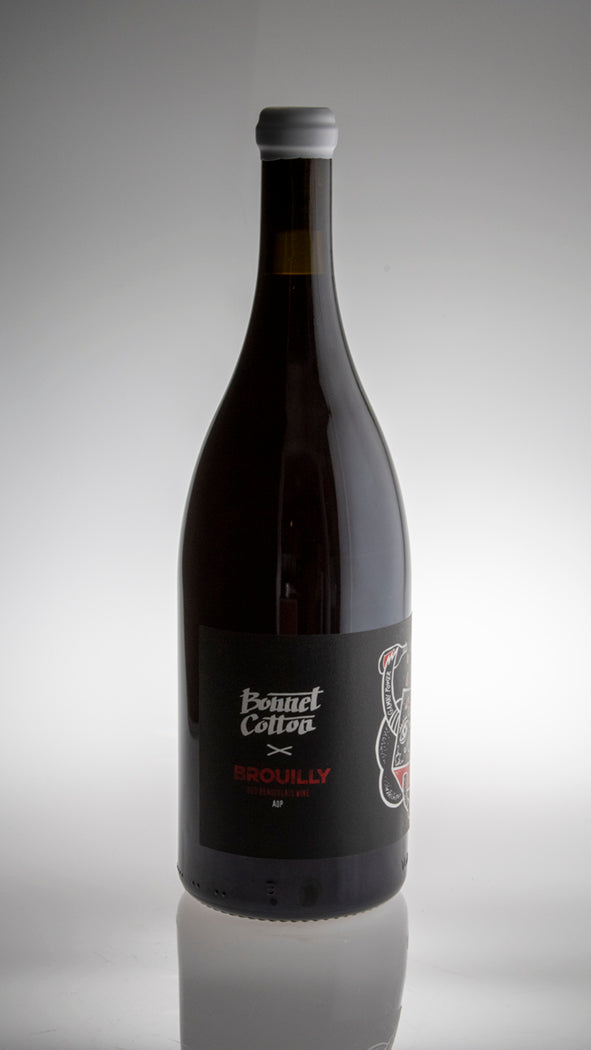
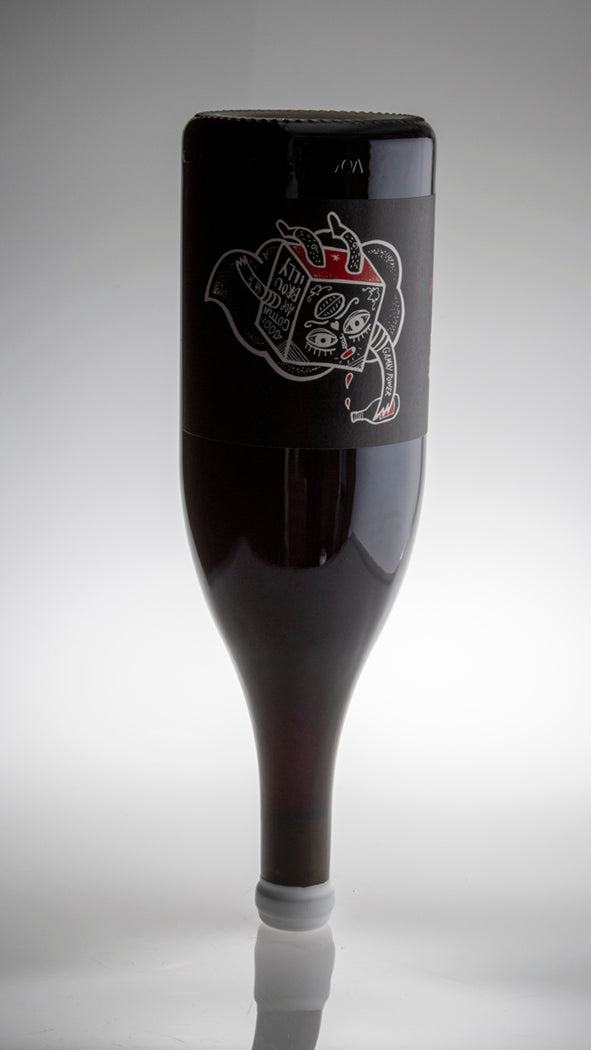
2022, Brouilly 100% Cotton Magnum
Bonnet Cotton
550,00 kr
    NO ADDED SO2
    ORGANIC
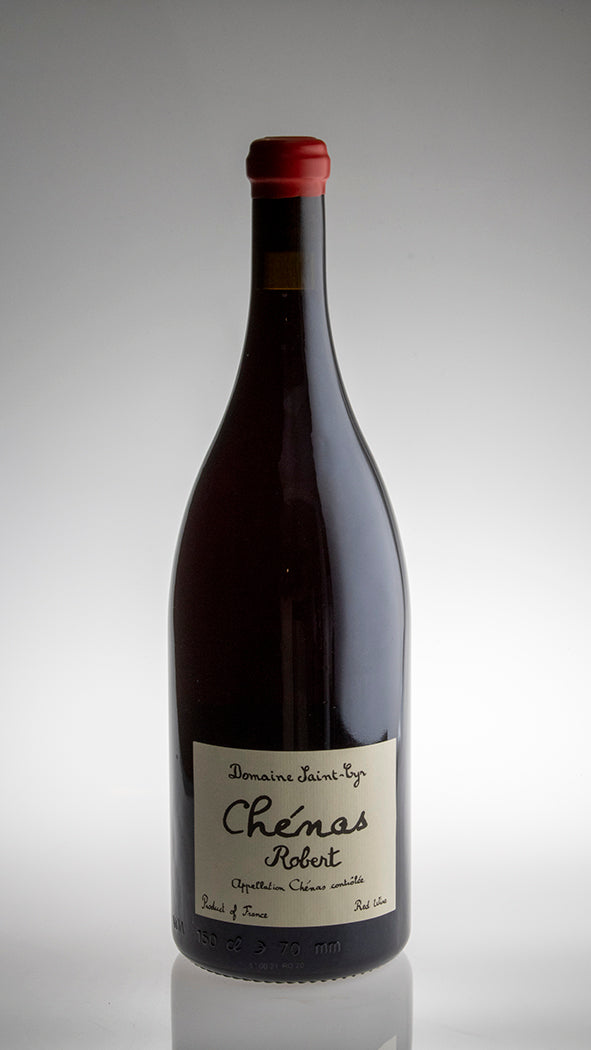
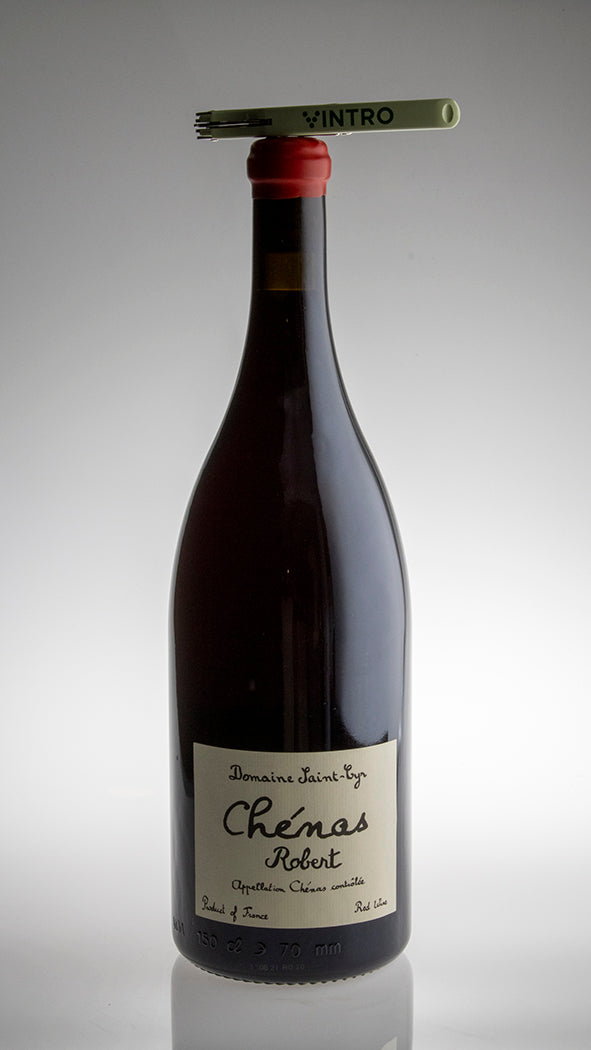
2020, Robert Magnum
Domaine Saint Cyr
495,00 kr
    NO ADDED SO2
    ORGANIC
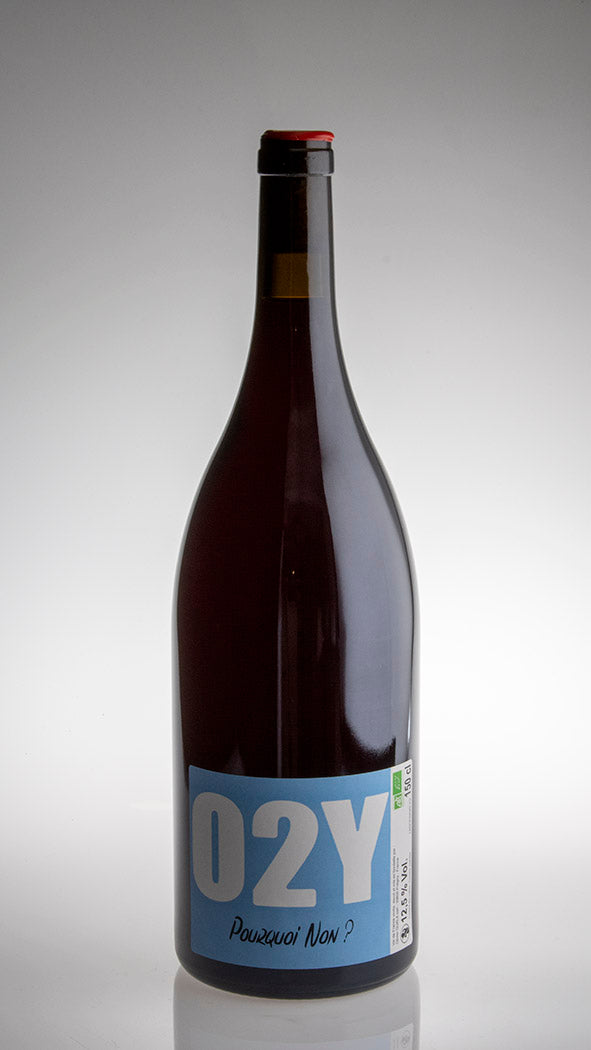
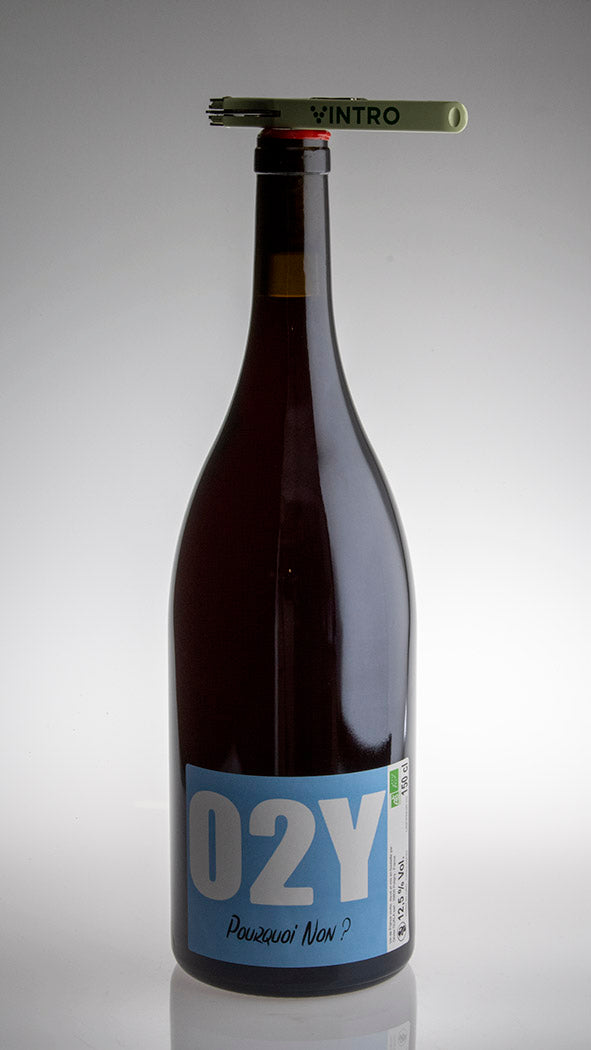
2021, Pourquoi Non Magnum
O2Y
675,00 kr
    NO ADDED SO2
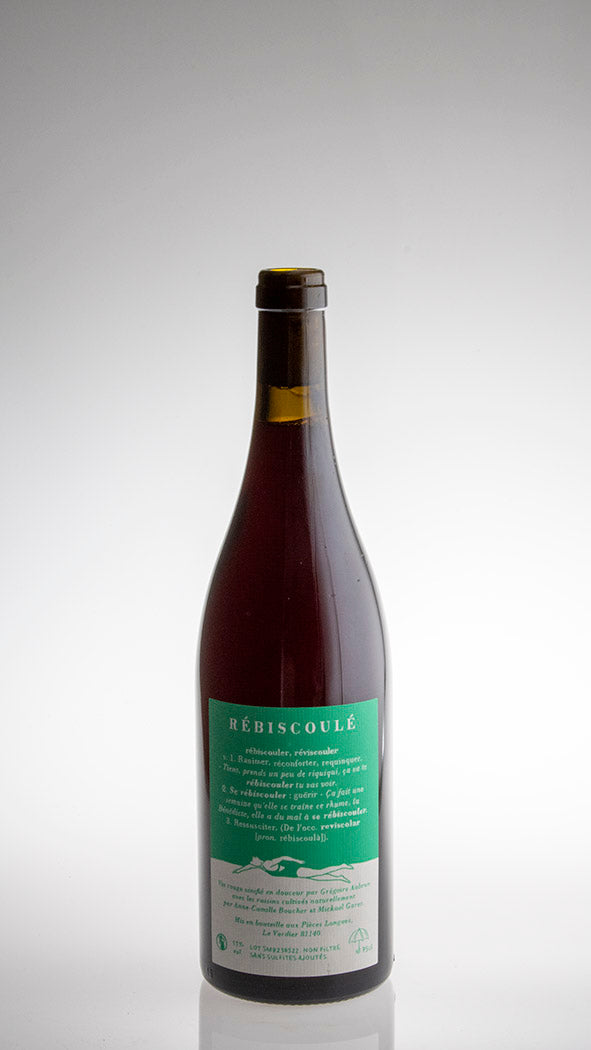
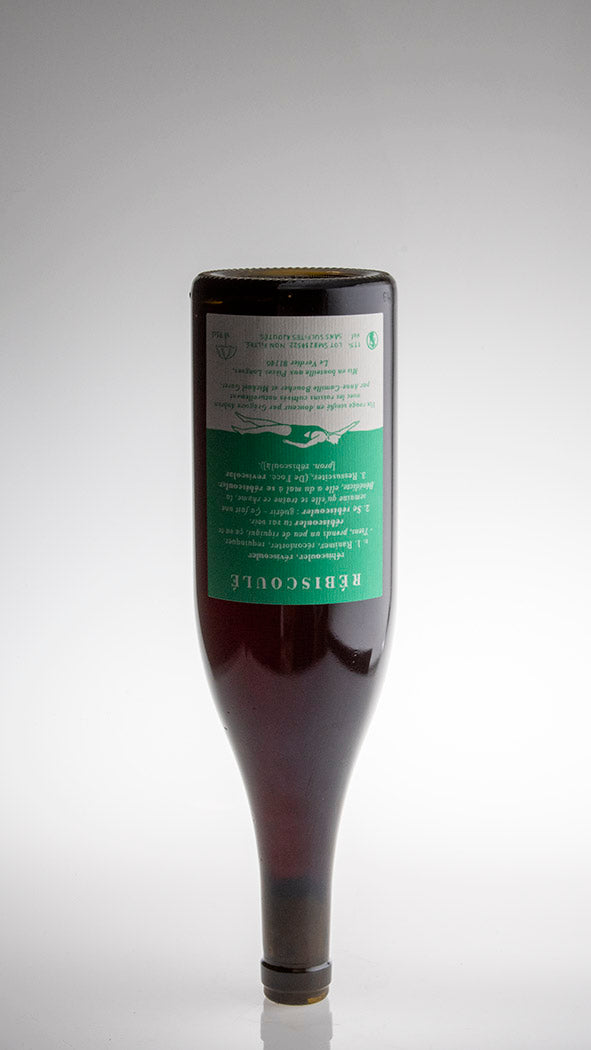
2022, Rébiscoulé
Domaine Le Chapitre
195,00 kr
    NO ADDED SO2
    ORGANIC
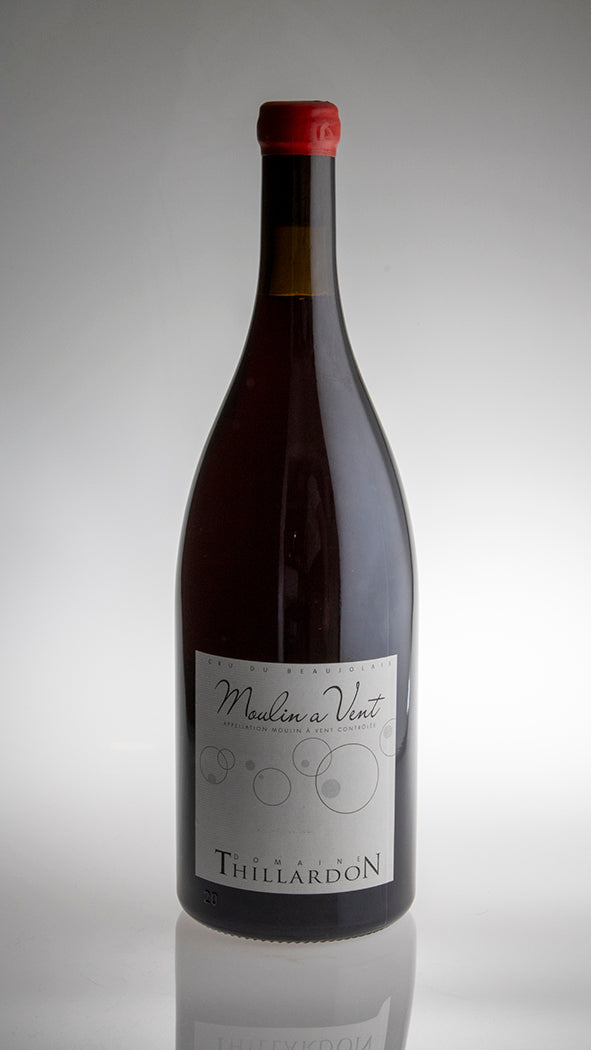
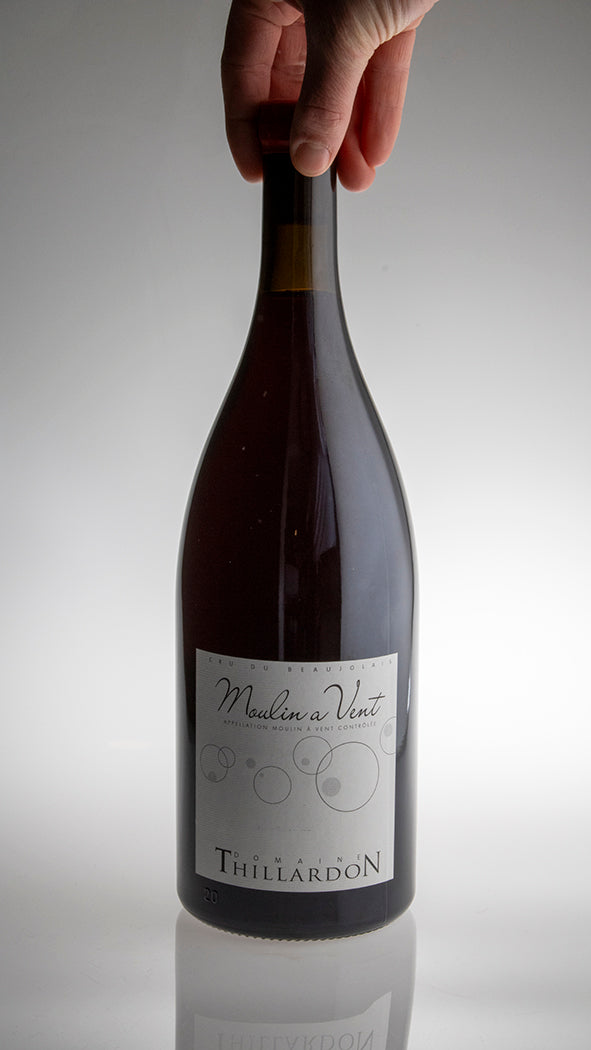
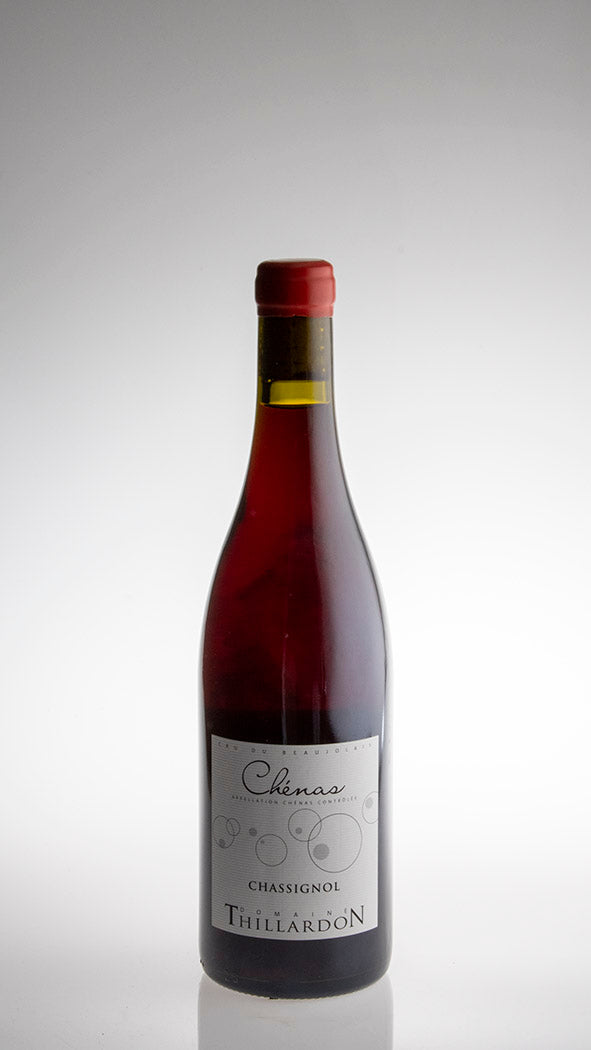
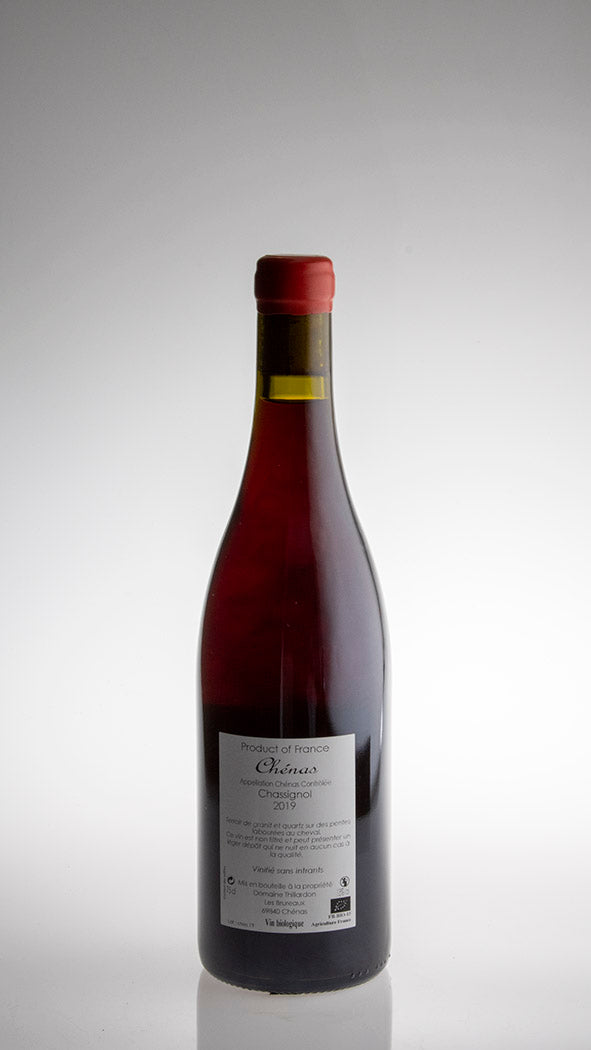
2022, Chenas Chassignol
Domaine Thillardon
425,00 kr
    BIODYNAMIC
    ORGANIC
2017, Piece de Roche Magnum
Chateau la Baronne
750,00 kr
    NO ADDED SO2
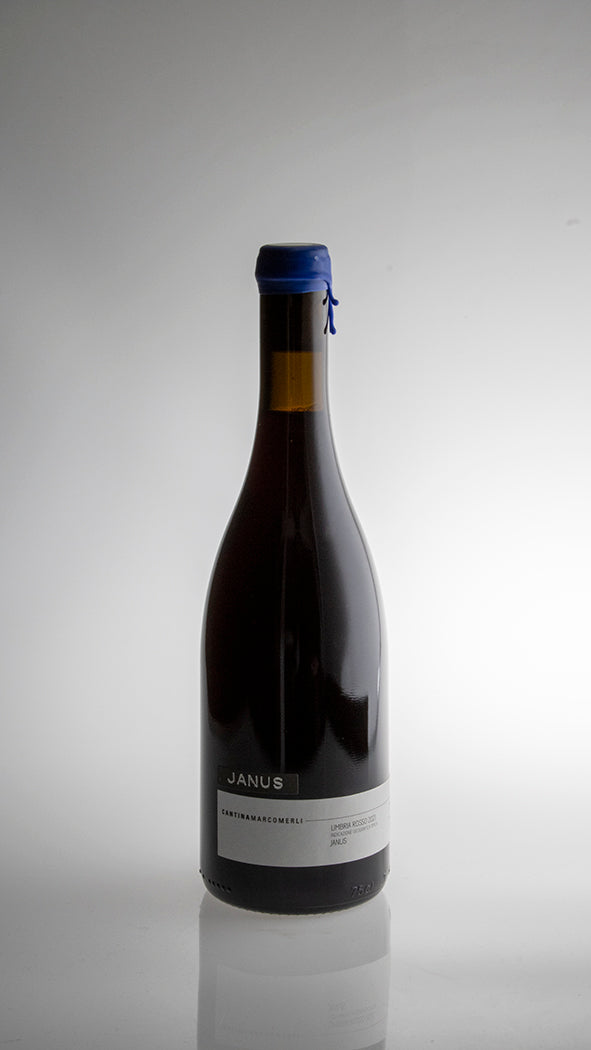
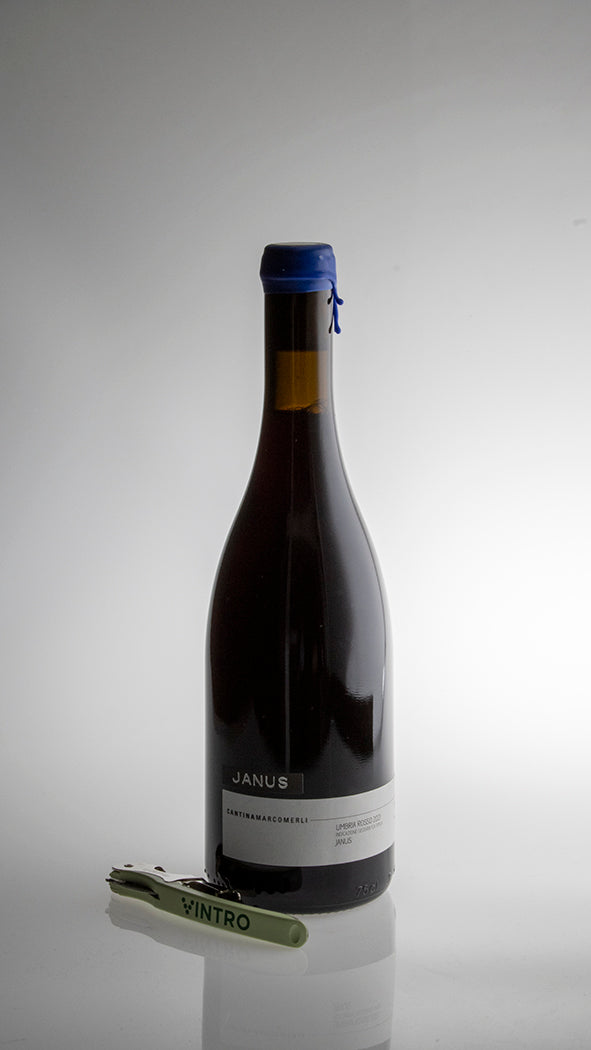
2021, Janus
Cantina Marco Merli
275,00 kr
    BIODYNAMIC
    ORGANIC
2018, Mas Theo, T.O Magnum
Cathédrale Mas Théo
300,00 kr
    NO ADDED SO2
    ORGANIC
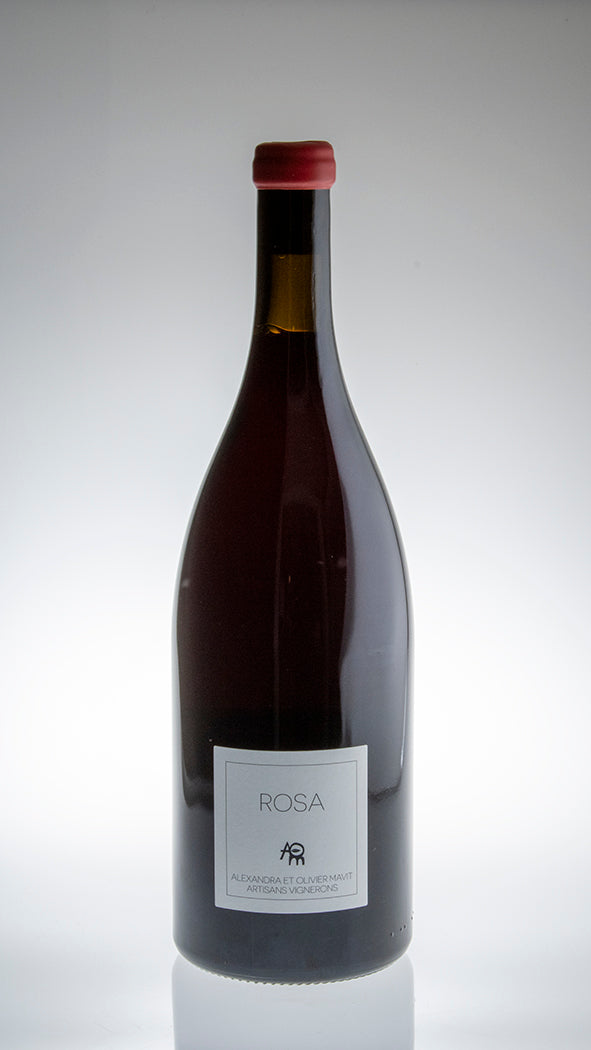
2022, Rosa Magnum
Alexandra et Olivier Mavit
395,00 kr
    ORGANIC
2025, Vin de France
Domaine Elodie Balme
135,00 kr
    BIODYNAMIC
    ORGANIC
2023, Bourgogne Pinot Noir
Céline Coté Vigneronne
195,00 kr
2024, Le Marsain, Saint Romain rouge
Vignoble de Pauline
425,00 kr
2005, Tenuta Grillo, Igiea
    NO ADDED SO2
2018, Igiea
Tenuta Grillo
295,00 kr
2024, Monthélie Duresses, 1er cru
Vitacée
595,00 kr
2024, Monthélie Duresses, 1er cru, Magnum
Vitacée
1.295,00 kr
2019, Brunello di Montalcino
Le Ragnaie
695,00 kr
2023 Coste della Sesia
Odilio Antoniotti
245,00 kr
2020, Brunello di Montalcino
Sesti
795,00 kr
2023, Fleur de Pinot, Bourgogne, Magnum
Domaine Truchetet
685,00 kr
2023, Côte de Nuits Villages, Bourgogne Rouge
Domaine Truchetet
455,00 kr
2023, Les Chaillots, Vieilles Vignes, Bourgogne
Domaine Truchetet
325,00 kr
    NO ADDED SO2
2023, Fleur de Pinot, Bourgogne
Domaine Truchetet
285,00 kr
2023, Monthélie Rouge
Vitacée
465,00 kr
2022, Langhe DOC Nebbiolo Magnum
Borgogno Rivata
425,00 kr
    NO ADDED SO2
    ORGANIC
2024, Chenas Chassignol
Domaine Thillardon
425,00 kr

Regions and style

Red wine comes from all continents – from classic regions like Bordeaux, Rioja, Tuscany to “new world” regions like Australia, Chile, South Africa. For Danish imports: Italy topped red wine imports in 2022 with approx. 27.9 million liters.

When choosing red wine, the region can often give you hints about style: e.g. Priorat or Barolo for power and aging, Beaujolais Villages for lightness, California Zinfandel for warmth and fruit.

How do you choose red wine for food?

Match the weight, flavor, and accompaniments of the food to the character of the wine. Here are some rules of thumb:

  • Dishes with red meat, game, lamb, mushrooms or strong sauces often require full-bodied red wines with structure (e.g. Cabernet, Syrah).
  • Dishes with chicken, light pork or vegetarian stews can be made with medium-bodied Pinot Noir or Merlot.
  • Even fish and shellfish can be enjoyed with light red wine – choose a lighter red wine with low tannin and fresh fruit.
  • If there is fat or sweetness in the dish (e.g. BBQ sauce), choose a wine with a little more acidity or sweetness balance to cut through.

Serving, storage and preservation

Serving

Temperature makes a difference: light/bright red wines (Pinot Noir style) should be served a little cooler (~12-14 °C), while full-bodied wines (Cabernet, Amarone) are best served at ~16-18 °C. A large red wine glass with a wide bowl allows the wine to open up.

Young red wine may need decanting (30-60 min) to allow air to open up the aromas; older wines often only require brief oxygenation to avoid losing complexity.

Storage

Store your red wines lying down in a cool, dark and stable environment (approx. 12°C, high humidity) to preserve their quality. Avoid placing them above the refrigerator or in warm rooms.

Storage

The vast majority of red wines should be drunk within a few years, but top wines from classic regions can be stored for many decades and develop great aromas. For Danish red wines (such as Rondo/Regent) the rule typically applies: drink younger rather than waiting too long, as they do not necessarily have the same aging potential as great Bordeaux.

Buying guide – what should you look for?

  1. Purpose & budget:Should the wine be for everyday use, a party dinner or for aging?
  2. Style:Do you prefer something light and fruity, or powerful and complex?
  3. Region/producer:Know some key producers or regions – this provides certainty in your choice.
  4. Vintage and alcohol:Choose a vintage that suits the region; strong wines often have higher alcohol and structure.
  5. Price vs quality:Many good wines exist outside the “classic names.” Look for reviews and ratings.
  6. Buy online or in store:When linking to your product pages with “best red wine for…”, use text like “Selected red wines for beef” or “Top picks under 150 kr.” and internal link to your products.

5 quick tips for choosing the right red wine

  • For a “feast” with beef or lamb: go for a Cabernet or Shiraz style with body and tannin.
  • For “everyday steak” or pasta: choose Merlot or a soft Rioja.
  • For “grilled chicken or pork”: choose Pinot Noir or a light Chilean red wine.
  • For “vegetarian with cream sauce or mushrooms”: try a fuller red wine with good acidity – for example a Barbera or light Nebbiolo.
  • If in doubt: choose a red wine with good fruit, moderate tannin and from a good region – it goes with most dishes.

FAQ – quick answers

Is red wine only for red meat?No – even light red wine can go well with fish, pork or vegetarian dishes if the style matches.

What does “tannins” mean in red wine?Tannins are bitter substances from grape skins, stems and barrel aging – they give the wine structure and mean that some wines should be stored.

Which red wine should I choose for aging?Choose wines with high structure, low to moderate age and from a well-known region – for example Cabernet Sauvignon from Bordeaux, Nebbiolo from Piedmont or a Reserve Rioja.

Why are Danish red wines interesting?Denmark as a wine country is growing; grape varieties such as Rondo and Regent are adapted to our climate, and Danish red wines focus on freshness, terroir and personality.

Recently viewed