Vermentino – The clear voice of the Mediterranean in organic and biodynamic wine
Vermentino is an aromatic green grape with deep roots in the western Mediterranean, where it has for centuries influenced the wines of Sardinia, Liguria, Tuscany, Corsica and Provence. Its origins are still debated, but everything points to the grape having developed naturally in the coastal areas between Italy and the South of France, where the sunny but windswept climate gives it its characteristic freshness and salty minerality.
Today, Vermentino covers around 9,700 hectares in the EU – mainly in Italy, with Sardinia alone accounting for over 6,000 hectares, followed by Tuscany and Liguria. In France, it is grown primarily in Provence and Corsica, often under the name Rolle or Vermentinu . This concentration around the Mediterranean reflects the grape’s natural adaptation to dry summers and proximity to the sea, which helps preserve acidity and aromas.
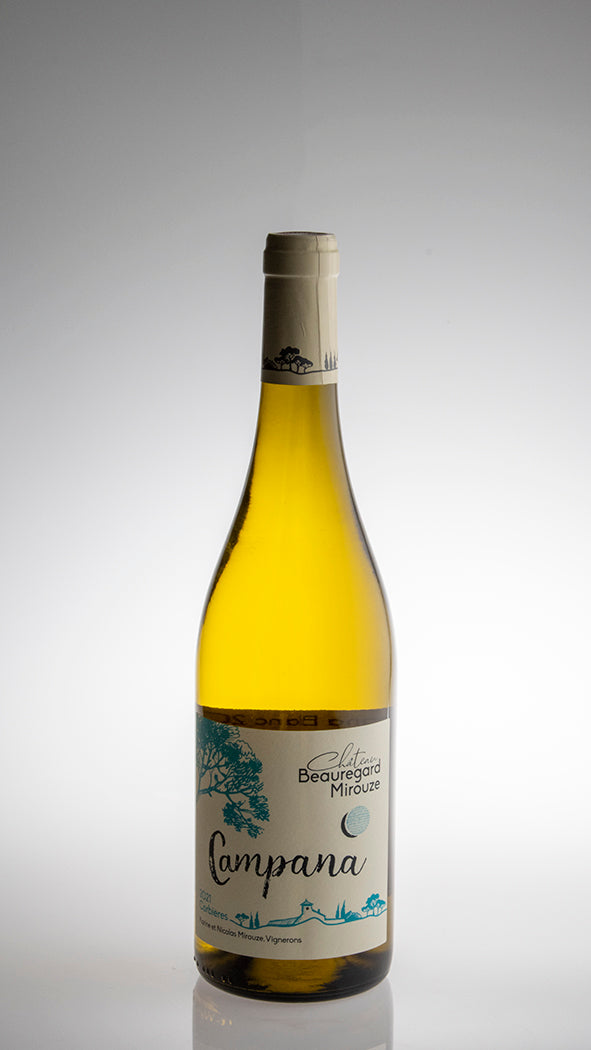
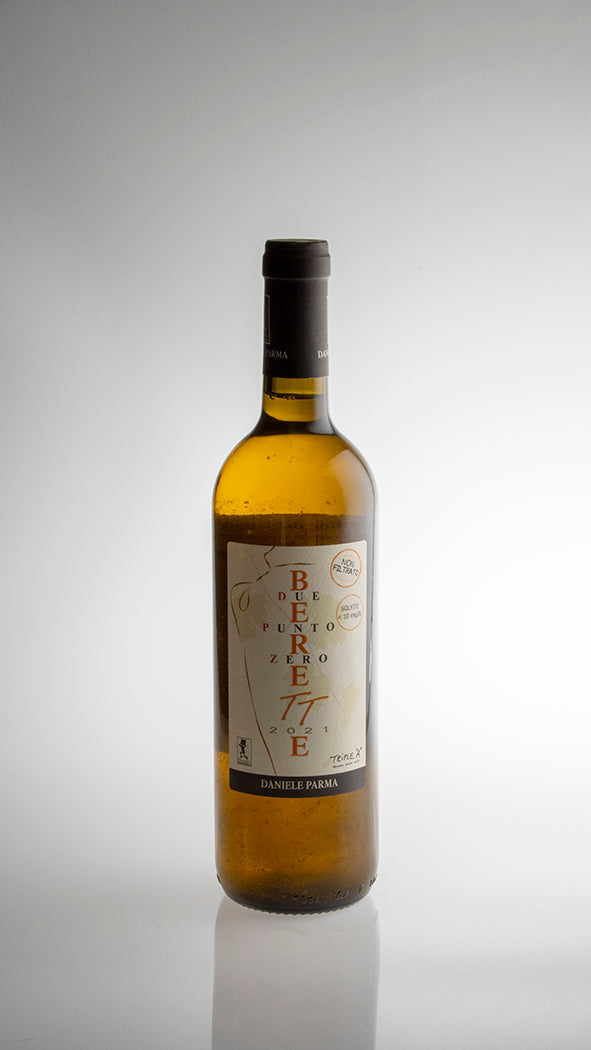
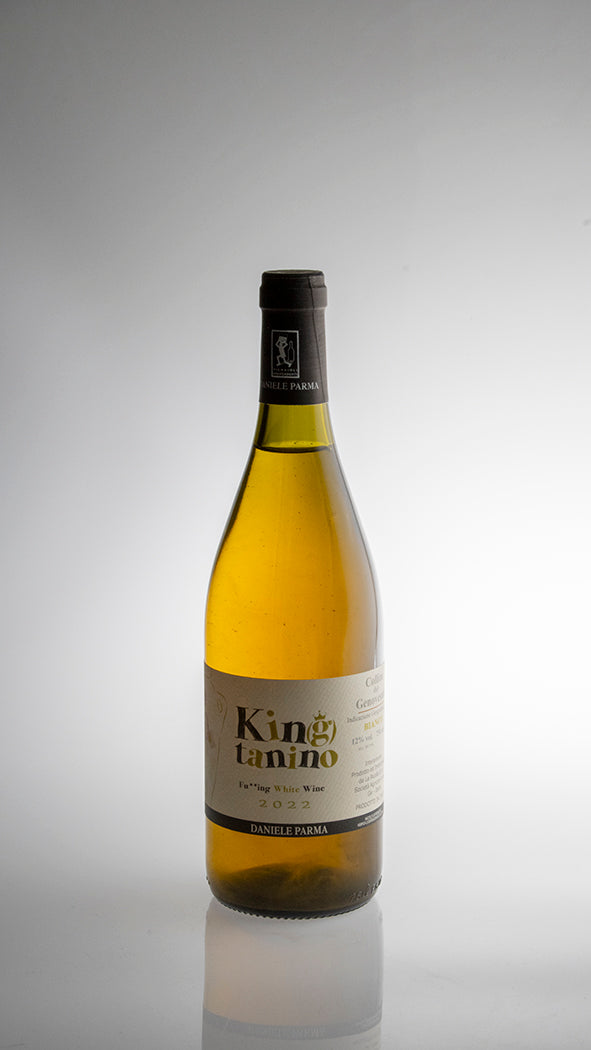
Vermentino has enjoyed a renaissance in recent years in the organic and biodynamic wine movement , where its robust nature and ability to express terroir without the need for heavy intervention make it ideal. Many producers today work with spontaneous fermentation, minimal or no sulfur, and aging in steel or used barrels to preserve the pure character of the grape. In the context of natural wines, Vermentino is also used for orange wines, where skin contact provides a light tannic structure and added complexity.
What makes Vermentino unique is its combination of lively acidity, herbal aromas and a subtle salty edge, often reminiscent of sea breezes and Mediterranean herbs. The grape thrives best in organic cultivation, where it can develop its full expression without artificial inputs, and has therefore gained traction among winemakers working according to biodynamic and natural principles . With its balance of freshness, structure and terroir, Vermentino is today one of the Mediterranean’s most vibrant interpreters of modern, sustainable wine.
Read More