Italy · Tuscany · Greve in Chianti
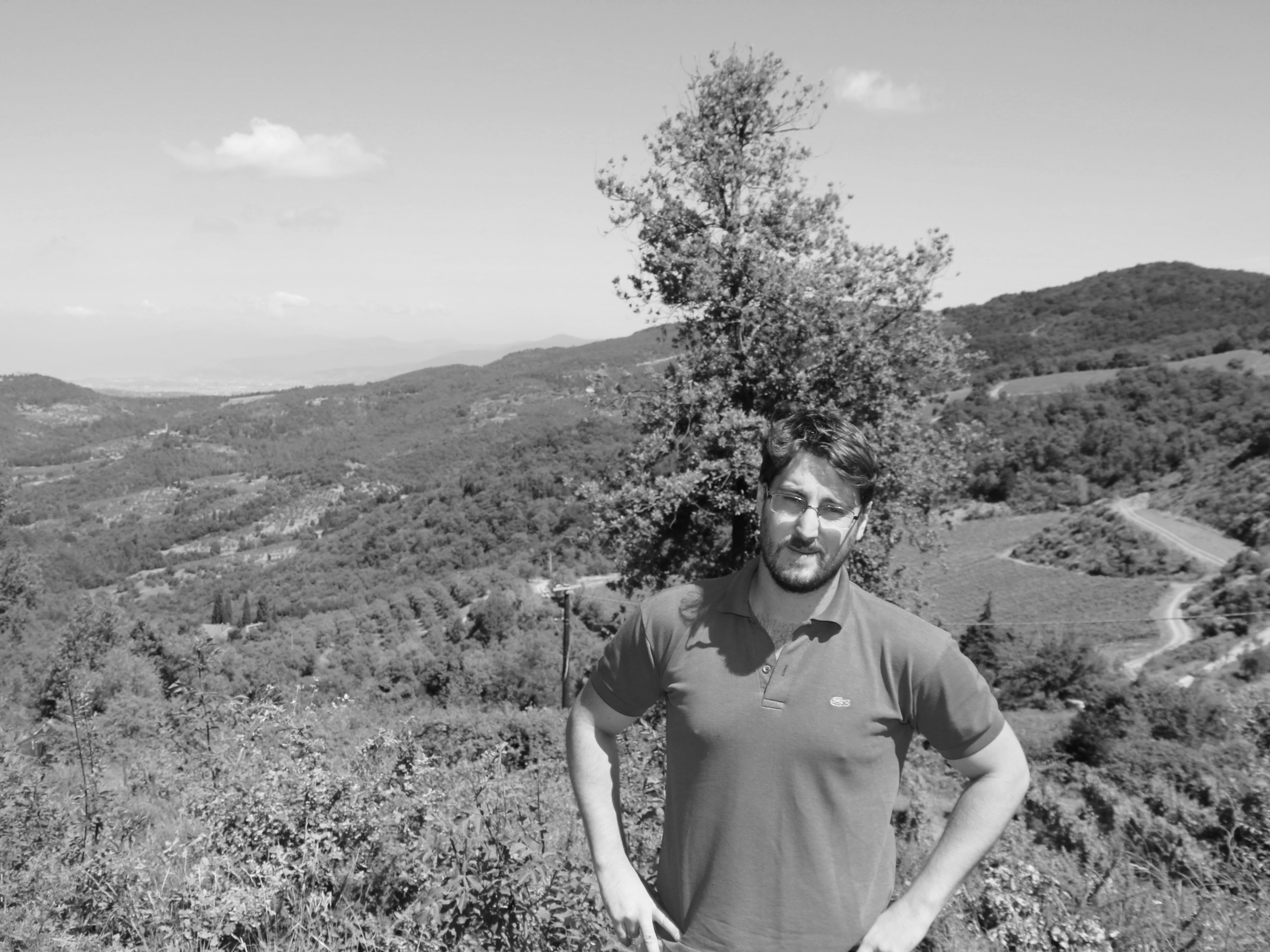
Tenuta la Novella is located in the heart of Tuscany, between Florence and Siena, at an altitude of 500 meters. The estate produces its own olive oil, Chianti Classico and IGT wine, and Vin Santo, according to the strict standards of organic and biodynamic agriculture, without pesticides or synthetic fertilisers. They believe that the land worked is their sole custody and it is therefore their responsibility to pass it on to future generations as it was passed on to them, avoiding any practices that could make it less fertile.
The 13.5 hectares of vineyards are located between 350 and 650 meters above sea level, and are laid out in a mosaic of fifteen parcels planted on the best terroirs of the estate, on the mythical Tuscan hills. On these schist and sandstone soils (rocks), the Sangiovese and Syrah grapes find ideal pedo-climatic conditions to express themselves in all their complexity. The altitude and the difference in temperature between day and night allow for a slow and balanced maturation. Canaiolo, as well as Trebbiano, Malvasia, Moscato and Viognier are grown in smaller proportions. The high planting density (from 5500 to 7000 vines/ha) allows the roots to explore the soil in depth, producing rich grapes, a direct expression of the terroir.